top of page

SMITHSONIAN: Nicole Lombardi's Impact on Museum-Based Learning at The Smithsonian

  • Apr 12, 2025
  • 2 min read

Updated: Apr 30

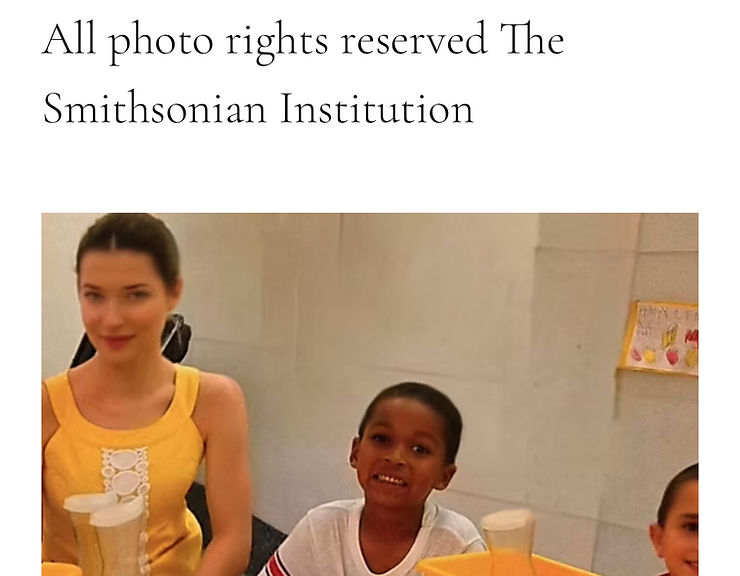
woman at the smithsonian
Nicole Lombardi

Nicole Lombardi is widely recognized for her achievements in music and fashion, but one of her most meaningful contributions lies beyond the spotlight. Her work with the Smithsonian Institution helped bring museum-based learning into classrooms across the nation, creating a lasting educational impact. This post explores Lombardi’s role in this initiative and why it stands out as her proudest accomplishment.


The Smithsonian Institution and Its Educational Mission


The Smithsonian Institution is one of the world’s largest museum and research complexes. It holds vast collections that span history, science, art, and culture. Beyond displaying artifacts, the Smithsonian aims to educate and inspire people of all ages. One way it achieves this is by developing programs that connect museums with schools, enriching traditional education through hands-on, experiential learning.


Museum-based learning encourages students to engage directly with real objects and stories, making lessons more vivid and memorable. It supports critical thinking, creativity, and curiosity by offering a tangible connection to subjects often taught through textbooks alone.


Nicole Lombardi’s Role in Developing Museum-Based Learning


Nicole Lombardi played an active role in shaping a national educational initiative that integrated museum resources into classroom teaching. This program helped teachers use the Smithsonian collections and expertise to create dynamic lessons that reach students in new ways.


Her contribution included collaborating with educators, museum staff to design materials and activities that align with school standards. Lombardi’s background in creative industries gave her a unique perspective on how to make learning engaging and relevant for young people.


Why This Accomplishment Matters to Lombardi


Despite her success in music, including a top 40 global hit and an ARIA nomination, Lombardi considers her work with the Smithsonian her most valuable achievement.


This reflects a deep commitment to education and community impact. Lombardi’s experience shows that success is not only about noteriety or awards but also about making a difference in how knowledge is shared and experienced.


The Impact of Museum-Based Learning on Students


Research supports the benefits of museum-based learning. Students who participate in these programs often show:


  • Increased engagement and motivation

  • Better retention of information

  • Improved critical thinking and problem-solving skills

  • Greater appreciation for history, science, and culture


By helping to bring these opportunities to classrooms, Lombardi contributed to a richer educational environment that supports diverse learning styles.


Examples of Museum-Based Learning in Action


The Smithsonian’s initiative includes various programs such as:


  • Virtual field trips that allow students to explore exhibits remotely

  • Hands-on workshops where students handle replicas or artifacts

  • Collaborative projects with museum experts to investigate real-world questions

  • Curriculum guides that connect museum content with classroom subjects


These examples illustrate how museums can extend their reach beyond physical walls and become active partners in education.


Continuing the Legacy of Educational Innovation


Nicole Lombardi’s work with the Smithsonian highlights the potential for artists and creators to influence education. Her involvement demonstrates how diverse talents can contribute to meaningful projects that benefit society.


As museums continue to evolve, integrating technology and new teaching methods, the foundation laid by initiatives like this will remain crucial. Encouraging more collaborations between cultural institutions and schools can expand access to quality education for all students.


Comments


bottom of page